 Call Now 9240212342
 Book Appointment
 Hotline 24x7

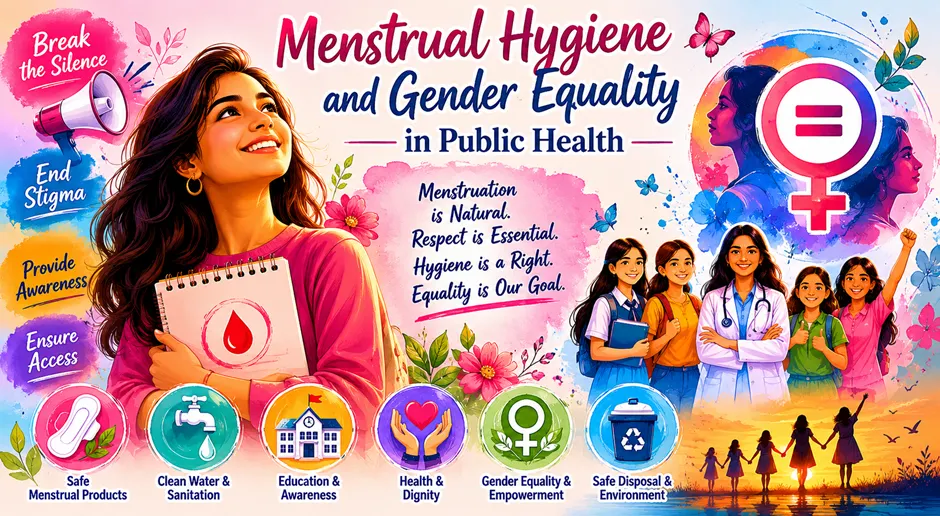
Menstruation Is Natural — Silence Around It Is Not
Menstruation is not merely a biological process — it is a matter of health, dignity, education, equality, and human rights. Yet, across many parts of the world, menstruation continues to be surrounded by silence, shame, and misinformation.
Millions of girls and women still struggle to manage their periods safely and confidently because of stigma, poor awareness, lack of sanitation, and limited access to menstrual products.
Menstrual hygiene is not just a personal issue affecting women; it is a major public health concern closely linked to gender equality and social development.
Understanding Menstrual Hygiene beyond Cleanliness
Menstrual hygiene means managing menstruation safely, hygienically, and with dignity. It includes access to clean menstrual products, proper sanitation facilities, safe disposal systems, clean water, and accurate health education.
Good menstrual hygiene protects physical health, emotional well-being, and social confidence. However, when menstrual care is neglected, girls and women may experience discomfort, infections, embarrassment, and emotional distress.
Many women still use unsafe materials such as old cloth, paper, or other unhygienic alternatives due to poverty and lack of awareness. Inadequate menstrual care can increase the risk of reproductive tract infections, urinary tract infections, skin irritation, and other health complications.
Menstrual hygiene is therefore not a luxury — it is an essential healthcare need.
The Hidden Burden of Period Stigma
In many societies, menstruation is treated as something impure, shameful, or secret. Girls are often taught to hide their periods and avoid discussing menstrual concerns openly. Harmful myths and taboos continue to isolate menstruating women from normal daily activities.
Some girls are discouraged from attending school, participating in sports, entering places of worship, or even cooking food during menstruation. Such practices are rooted in cultural misconceptions rather than scientific understanding.
This stigma creates emotional suffering. Many adolescents experience fear, anxiety, embarrassment, and low self-confidence during menstruation, especially during their first periods. Silence prevents girls from asking questions or seeking medical help when needed.
Breaking menstrual stigma is essential for building healthier and more equal societies.
Menstrual Health and the Right to Education
For millions of adolescent girls, periods become a barrier to education. Lack of sanitary products, absence of private toilets, fear of staining clothes, and menstrual pain often force girls to miss school during their periods.
In some communities, repeated absenteeism eventually leads to school dropout after puberty. When girls lose educational opportunities, their future economic independence and social empowerment are affected.
Education and menstrual dignity are deeply connected. Every girl deserves safe sanitation facilities, menstrual awareness, and emotional support so she can continue her education without interruption or shame.
Schools must become safe and supportive spaces where menstruation is treated as a normal part of life.
Menstrual Hygiene and Gender Equality
Gender equality means ensuring equal rights, opportunities, dignity, and participation for women and girls. This cannot be achieved if menstrual health continues to be ignored.
A society that fails to support menstrual hygiene indirectly limits the mobility, confidence, education, and participation of women. Menstrual discrimination reinforces gender inequality by making girls feel weak, restricted, or excluded during a natural biological process.
Supporting menstrual health means supporting women’s empowerment. It allows girls to attend school confidently, women to work comfortably, and communities to become more inclusive and compassionate.
True gender equality begins when menstruation is normalized, respected, and openly understood.
Public Health Systems Must Prioritize Menstrual Care
Menstrual hygiene management should be recognized as an important public health responsibility. Governments, healthcare systems, educational institutions, and communities must work together to improve menstrual awareness and access to care.
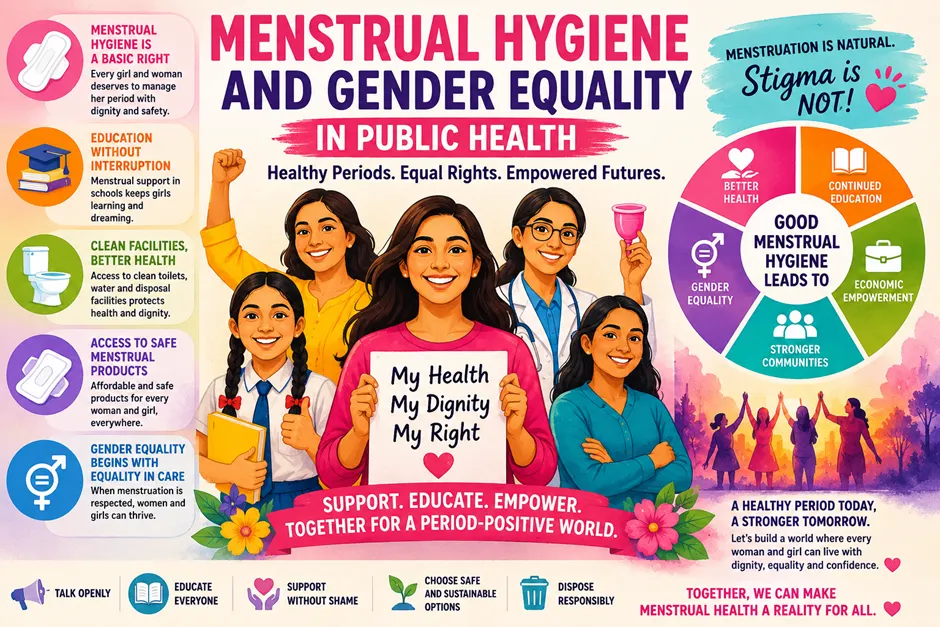
Public health programs should include:
- Menstrual health education
- Affordable sanitary products
- Access to clean water and toilets
- Safe disposal systems
- Awareness campaigns in schools and communities
Healthcare professionals also play a major role in educating women about menstrual hygiene, menstrual disorders, nutrition, anemia prevention, and reproductive health.
Early education can remove fear and confusion while promoting healthy practices among adolescents.
Ending Period Poverty with Compassion and Action
“Period poverty” refers to the inability to afford menstrual products and sanitation facilities. For many women and girls, purchasing sanitary pads every month is financially difficult.
As a result, they may resort to unsafe alternatives that affect health and dignity. Period poverty also increases absenteeism from school and work.
Addressing this issue requires collective action. Governments and organizations should provide affordable or free menstrual products in schools, rural communities, shelters, and public institutions.
No woman or girl should suffer because she cannot afford menstrual care.
The Role of Families, Schools, and Communities
Menstrual awareness should begin at home. Parents, especially mothers, can prepare girls emotionally and practically before their first period. Honest conversations create confidence instead of fear.
At the same time, boys and men should also be educated about menstruation. Menstrual awareness is not only a women’s issue — it is a social issue. When boys understand menstruation scientifically, stigma and teasing decrease.
Schools, teachers, healthcare workers, NGOs, and media platforms can help normalize conversations around menstrual health. Open dialogue creates empathy, respect, and healthier attitudes within society.
Creating Menstrual-Friendly Workplaces and Public Spaces
Women spend a large part of their lives managing menstruation while studying, working, traveling, and caring for families. Workplaces and public institutions should therefore provide clean toilets, water facilities, sanitary disposal systems, and supportive environments.
Policies promoting women’s reproductive health and well-being are important for inclusive public health systems.
Creating menstrual-friendly environments helps women participate fully and confidently in professional and social life.
Sustainable Menstrual Care for a Better Future
Environmental sustainability is becoming an important part of menstrual management. Disposable sanitary products contribute significantly to plastic waste and environmental pollution.
Promoting eco-friendly alternatives such as reusable cloth pads, biodegradable sanitary products, and menstrual cups can support both environmental protection and women’s health.
However, awareness and proper hygiene education are essential to ensure safe use of these alternatives.
A Collective Responsibility for Change
Improving menstrual hygiene requires action at every level of society. Governments must strengthen policies. Schools must provide education and sanitation. Healthcare systems must offer guidance and support. Communities must challenge myths and discrimination.
Most importantly, society must replace shame with understanding and silence with open conversation.
Menstruation should never stop a girl from learning, dreaming, working, or living with confidence.
Toward a Healthier and More Equal World
Menstrual Hygiene Day reminds the world that menstrual health is not a minor issue — it is central to public health, gender equality, dignity, and human rights.
When girls can manage menstruation safely and confidently, they stay in school longer, participate more actively in society, and build healthier futures for themselves and their communities.
A society that respects menstrual health respects women.
And a world that supports women with dignity, education, healthcare, and equality becomes stronger, healthier, and more humane for everyone.
Please click the links below to purchase my books
Profile link for Amazon: https://www.amazon.in/stores/Dr.Vijayalakshmi-Aluri/author/B09Q67G2H4
Please visit my Digital Store to purchase all my books at a discounted price: https://payhip.com/valuri
And https://dr-vijayalakshmi-aluri-shop.fourthwall.com/collections/all

Leave feedback about this
You must be logged in to post a comment.