 Call Now 9240212342
 Book Appointment
 Hotline 24x7

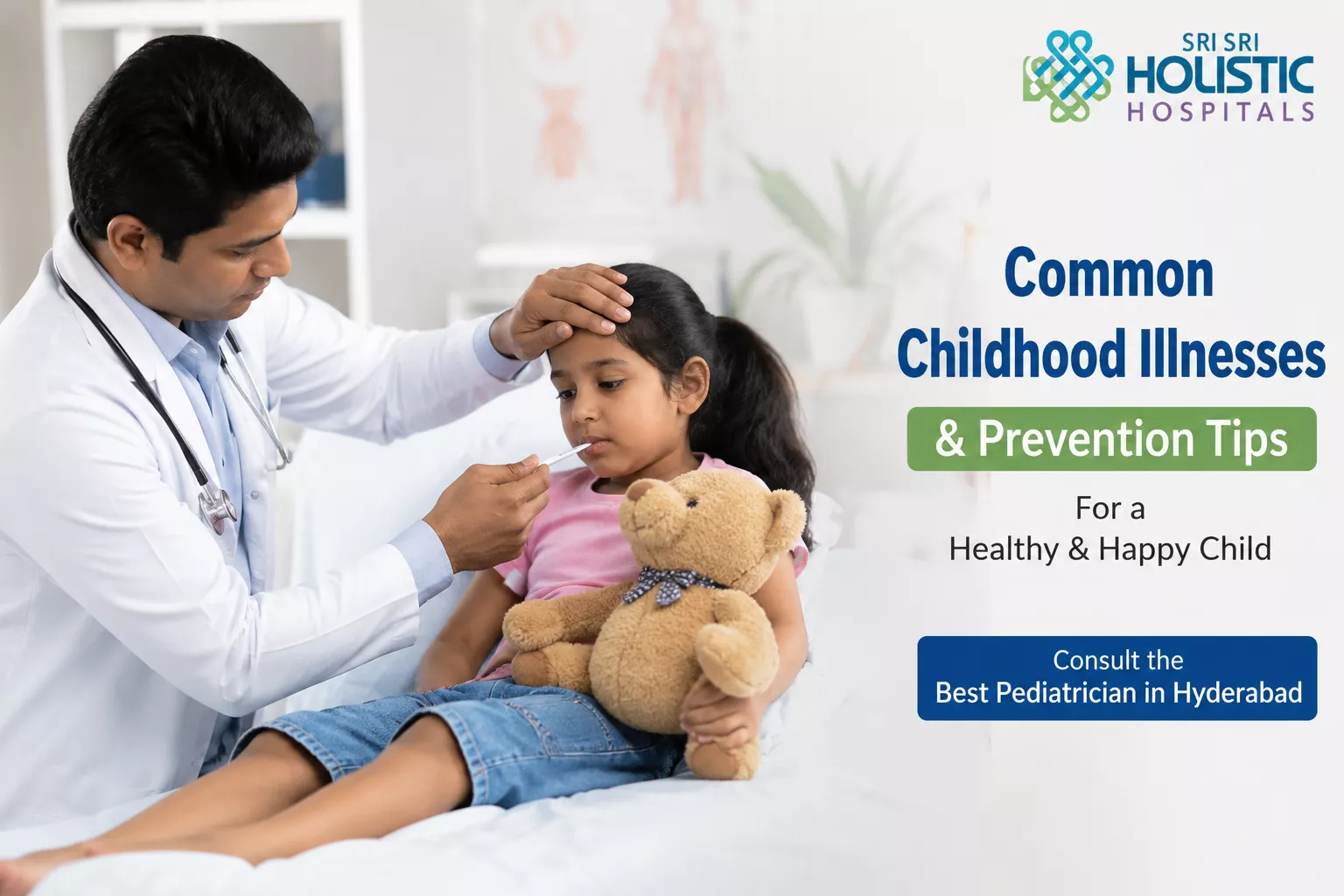
Children are naturally curious and active, which increases their exposure to germs. As their immune systems are still developing, they are more susceptible to common infections. While childhood illnesses are common, understanding the warning signs, practicing good preventive measures and seeking timely medical care can help keep children healthy and reduce complications. This guide highlights common childhood illnesses, their symptoms, and practical prevention tips for parents.
Common Childhood Illnesses Explained
Children frequently come into contact with germs at home, school, daycare, and playgrounds. Most childhood illnesses are mild and self-limiting, but some require prompt medical attention.
Common childhood illnesses include the common cold and the flu, ear infections often follow a cold, gastroenteritis leading to sudden tummy upsets, chickenpox, viral fever, Hand, Foot and Mouth Disease (HFMD), fungal infections.
Symptoms Of Childhood Infections
Recognizing the illnesses early helps parents seek appropriate treatment and prevent the spread of infection.
Watch out for the following symptoms:
- Fever
- Persistent cough or a runny nose
- Vomiting and diarrhea
- An unexplained skin rash
- Ear pain and sore throat
- Poor appetite or refusal to drink fluids
- Difficulty breathing (requires immediate medical attention)
- Excessive sleepiness, lethargy or persistent irritability
Preventing Seasonal Illnesses In Children
The shift in weather often brings a wave of sickness. Simple everyday habits can significantly reduce your child’s risk of seasonal infections.
- Encourage regular hand washing with soap and water.
- Teach children to cover coughs and sneezes with a tissue or elbow.
- Ensure a balanced diet and adequate sleep.
- Keep them well-hydrated throughout the day.
- Avoid close contact with sick individuals.
- Wear masks during outbreaks when advised by health authorities.
- Keep toys and frequently touched surfaces clean.
Importance Of Childhood Vaccinations
Vaccination is one of the safest and most effective ways to protect children from serious infectious diseases. Following the recommended immunization schedule helps build immunity before exposure to disease, reducing the risk of severe illness and complications. Consult your paediatrician to ensure your child receives vaccines on time.
Managing Fever In Children
Fever is the body’s natural response to infection and is not an illness by itself. Keep your child comfortable by dressing them in light clothing and encouraging plenty of fluids. Monitor the temperature regularly and use fever-reducing medicines only as advised by your paediatrician.
Seek medical attention if:
- Fever lasts more than 3 days
- The child has difficulty breathing
- There is persistent vomiting
- The child is unusually sleepy or difficult to wake
- The child develops seizures
- The child is younger than 3 months with fever
Tips To Boost Child’s Immunity
A strong immune system is a child’s best defense against sickness. Here are some practical tips to help support a healthy immune system:
Offer a balanced diet rich in fruits, vegetables, whole grains, and protein.
- Encourage at least one hour of active play every day.
- Ensure adequate sleep appropriate for the child’s age.
- Keep vaccinations up to date.
- Promote good hygiene practices.
- Schedule regular pediatric health check-ups.
Healthy Habits For Children
Healthy habits established early in life contribute to lifelong well-being. Encourage good hand and oral hygiene, provide safe drinking water, limit sugary drinks and junk food, promote regular physical activity, ensure adequate sleep, and reduce unnecessary screen time. Parents play the most important role in helping children develop healthy routines.
If your child is unwell or you have concerns about their growth, development, vaccinations, or overall health, our Paediatric team at Sri Sri Holistic Hospitals is here to help. Schedule an appointment for expert, compassionate care.
FAQ
1. What are the most common childhood illnesses parents should watch for?
Parents should watch out for cold, influenza illness, ear infections, gastroenteritis (stomach infections), viral fever and contagious conditions like chickenpox and Hand, Foot and Mouth Disease.
2. How can I prevent frequent colds and coughs in children?
Teach them proper hand washing, ensure they eat a nutrient-rich diet, keep them hydrated, and avoid close contact with anyone showing cold symptoms.
3. Are childhood infections contagious, and how can they be controlled?
Yes, many viral and some bacterial infections spread easily from person to person. Good hand hygiene, keeping sick children at home, covering coughs and sneezes, and regular cleaning of commonly touched surfaces help reduce transmission.
4. What role do vaccinations play in preventing childhood illnesses?
Vaccines safely build a child’s immune system to fight off specific, severe diseases, drastically reducing the risk of dangerous complications.
5. How can parents support a healthy immune system naturally?
Offer a balanced diet full of fresh fruits, vegetables and proteins, ensure they get plenty of sleep, encourage daily outdoor physical activity and ensure timely vaccinations.
6. How can parents prevent stomach infections in children?
Provide safe drinking water, practice excellent hand hygiene before meals and after restroom use, and ensure all food is cooked and stored properly.


Leave feedback about this