 Call Now 9240212342
 Book Appointment
 Hotline 24x7

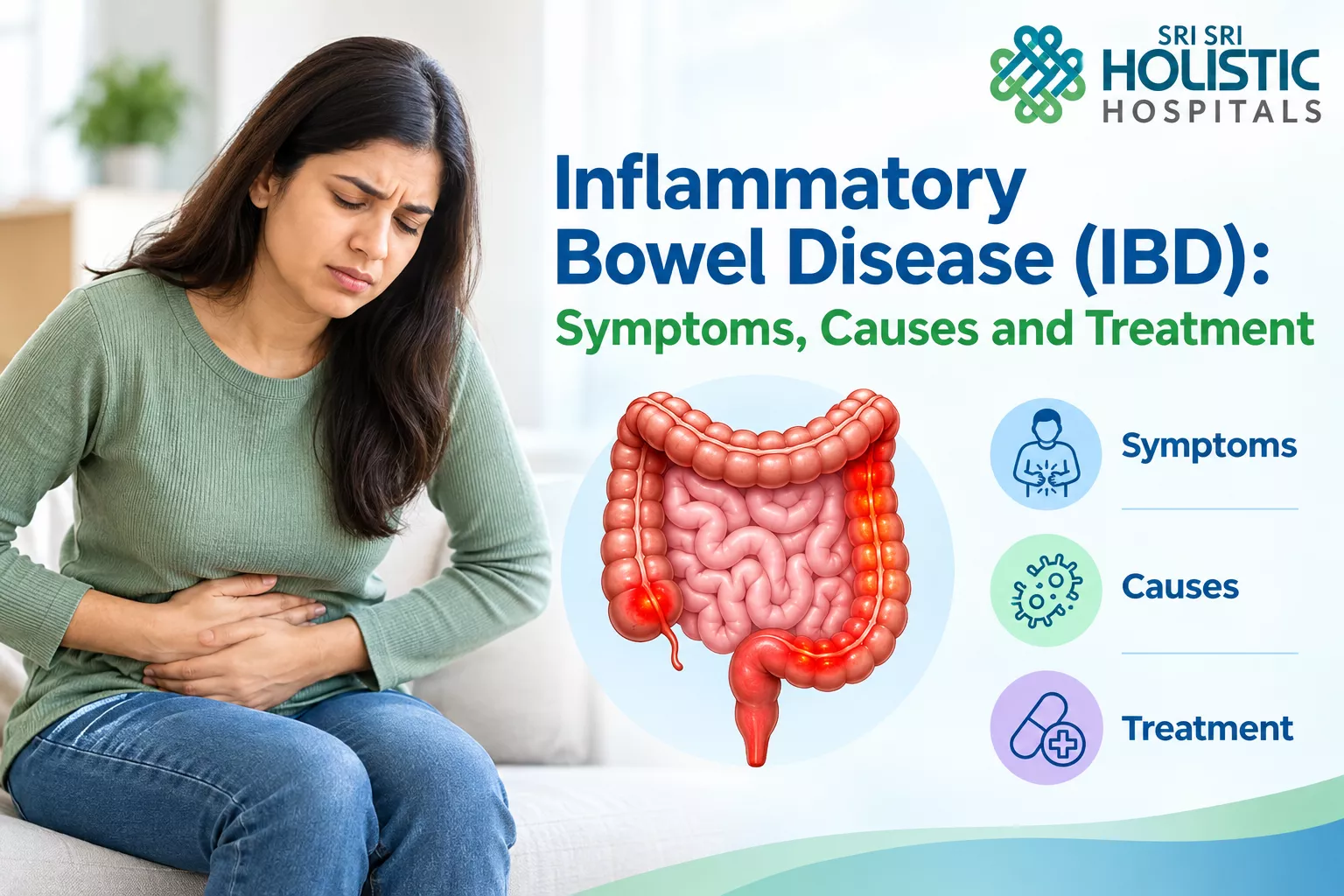
Do you frequently experience abdominal pain, persistent diarrhoea, blood in your stool, or unexplained weight loss? While these symptoms can have many causes, they may sometimes point to Inflammatory Bowel Disease, or IBD, a long-term condition that causes inflammation in the digestive tract.
IBD is becoming an important health concern in India. India has one of the largest absolute populations of people living with IBD in the world, with earlier estimates suggesting around 1.4 million affected individuals. More recent Global Burden of Disease analyses also show a substantial and increasing burden, with India contributing approximately 8% of new IBD cases globally. The age-standardised prevalence has been estimated at about 20.34 per 100,000 people. IBD can affect people of different ages, but it commonly begins in younger adults and can significantly affect daily life if not properly managed.
Dr. RV Krishna Kishore, MD, DM (SGPGI) ESEGH SCE (UK), Consultant – Gastroenterologist & Hepatologist, Sri Sri Holistic Hospital, KPHB, Hyderabad, throws light on the types, symptoms, causes, diagnosis, treatment and long-term management of Inflammatory Bowel Disease.
What is Inflammatory Bowel Disease?
Inflammatory Bowel Disease is a group of chronic conditions in which the immune system causes ongoing inflammation in parts of the digestive tract. The two main forms are Crohn’s disease and ulcerative colitis. IBD is different from a temporary stomach infection. Symptoms may become active during a flare and then improve during periods of remission.
Types of IBD
- Crohn’s Disease: Crohn’s disease can affect any part of the digestive tract, from the mouth to the anus. It often affects the small intestine and the beginning of the large intestine and may cause inflammation in deeper layers of the bowel wall.
- Ulcerative Colitis: Ulcerative colitis mainly affects the large intestine and rectum. It causes inflammation and ulcers in the inner lining of the colon and usually begins in the rectum before spreading to other parts of the colon.
Common Symptoms
Symptoms can vary from person to person and may range from mild to severe. Common symptoms include:
- Persistent diarrhoea
- Blood or mucus in the stool
- Abdominal pain and cramping
- Urgent or frequent bowel movements
- Fatigue and weakness
- Reduced appetite
- Unintentional weight loss
- Fever during active inflammation
Some people may also develop problems outside the digestive system, such as joint pain, skin changes or eye inflammation.
What Causes IBD?
- The exact cause of IBD is not fully understood. It is believed to develop through a combination of genetic, immune and environmental factors.
- In genetically susceptible people, the immune system may respond abnormally to substances or bacteria in the digestive tract, resulting in prolonged inflammation. A family history of IBD can increase the risk.
- Certain factors, including smoking, some medicines, and stress, may worsen symptoms or trigger flares in susceptible individuals. Food does not cause IBD, although particular foods may make symptoms worse during an active flare.
How is IBD Diagnosed?
- Diagnosis usually begins with a detailed medical history and physical examination. Doctors may recommend blood tests to look for anaemia or signs of inflammation.
- Stool tests can help assess intestinal inflammation and exclude infections. Depending on the symptoms, investigations such as colonoscopy, upper gastrointestinal endoscopy, CT scans or MRI may also be required.
- A colonoscopy with tissue samples, called biopsies, can be particularly useful for identifying the characteristic changes associated with IBD.
Treatment and Management
There is currently no permanent cure for IBD, but treatment can control inflammation, reduce symptoms and help maintain remission. Treatment may include anti-inflammatory medicines, corticosteroids for short-term control of significant inflammation, immunomodulators and biologic medicines. The choice depends on the type and severity of IBD.
In some people with severe disease or complications, surgery may be necessary. Along with medical treatment, maintaining good nutrition, avoiding smoking, identifying individual food triggers and managing stress can support long-term health. Regular follow-up is important even when symptoms have improved.
Conclusion
Persistent diarrhoea, recurrent abdominal pain, blood in the stool, unexplained weight loss or ongoing fatigue should not be ignored. Early evaluation can help distinguish IBD from infections, irritable bowel syndrome and other digestive conditions. With appropriate treatment and regular monitoring, many people with IBD can control their symptoms and lead active, fulfilling lives. Book an appointment at Sri Sri Holistic Hospitals.


Leave feedback about this