 Call Now 9240212342
 Book Appointment
 Hotline 24x7

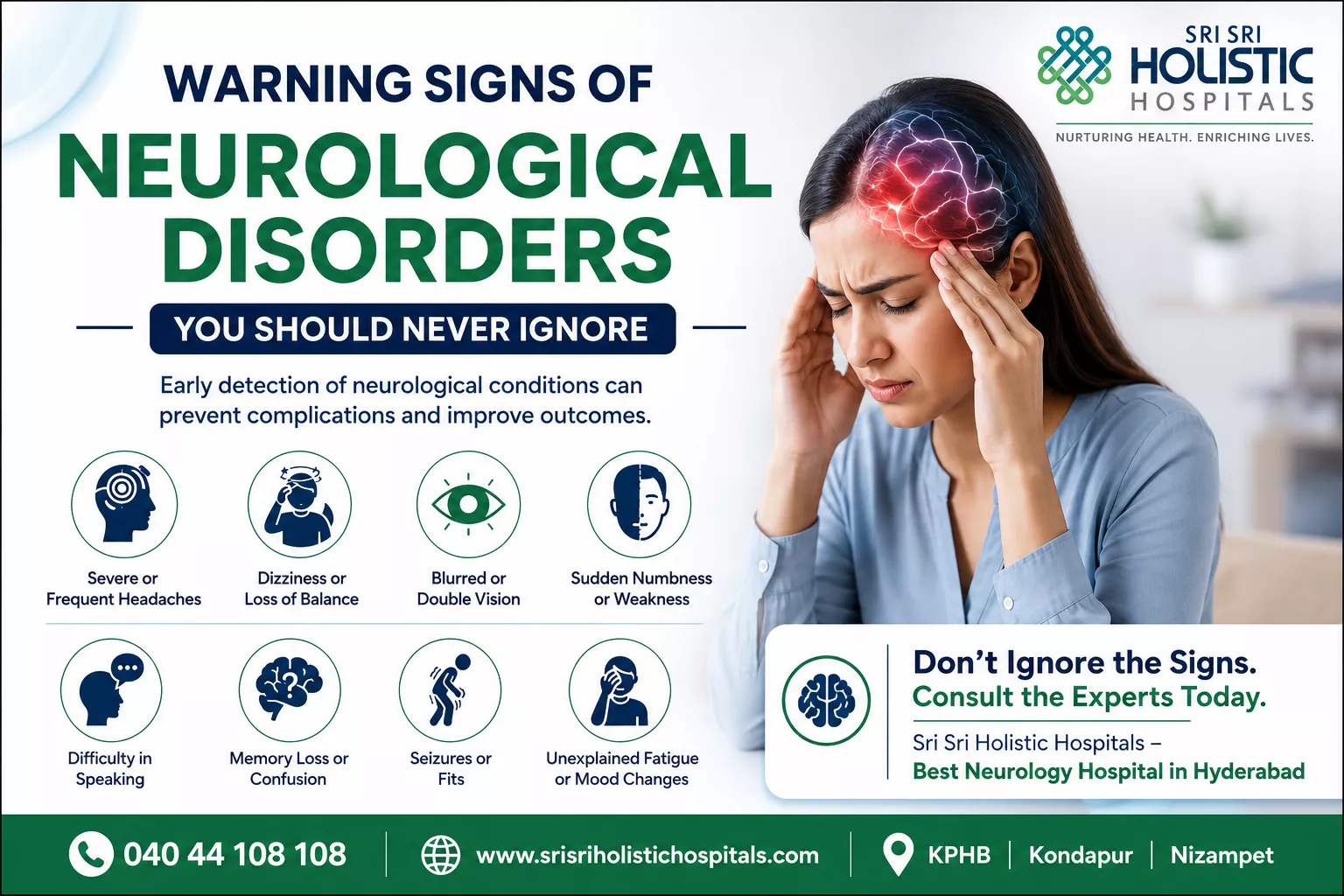
Our brain, spinal cord, and nerves work together every second to help us think, move, speak, remember, and perform everyday activities. When something affects the nervous system, the body often sends warning signals. While some symptoms may seem harmless at first, ignoring them can sometimes delay diagnosis and treatment.
Understanding these signs and seeking medical advice early can help prevent complications and improve recovery. If you notice unusual neurological symptoms that persist or become worse, it is important to consult a neurologist
Early Signs Of Neurological Disorders
Many neurological conditions develop slowly, making the symptoms easy to overlook. The Early Signs Of Neurological Disorders may include frequent headaches, muscle weakness, numbness, dizziness, memory problems, difficulty concentrating, tremors, or changes in speech and vision. If these symptoms continue or interfere with your daily life, they should be evaluated by a specialist.
Persistent Headaches And Brain Health
Most headaches are not serious, but Persistent Headaches And Brain Health are closely linked. Headaches that are severe, occur frequently, or become worse over time may be associated with migraines, nerve disorders, brain infections, increased pressure inside the skull, or, in rare cases, brain tumors. Seek immediate medical attention if a headache is sudden, severe, or accompanied by vomiting, confusion, weakness, seizures, or vision changes.
Sudden Memory Loss Symptoms
Everyone forgets things occasionally. However, Sudden Memory Loss Symptoms such as forgetting familiar people, getting lost in familiar places, or struggling with routine tasks should not be ignored. These symptoms may be related to dementia, stroke, vitamin deficiencies, or other neurological conditions.
Unexplained Numbness And Tingling
Unexplained Numbness And Tingling in the hands, feet, arms, or legs can be caused by nerve damage, diabetes, vitamin deficiencies, multiple sclerosis, stroke, or nerve compression. If numbness appears suddenly or affects one side of the body, seek emergency medical care.
Balance And Coordination Problems
Feeling dizzy occasionally can happen, but Balance And Coordination Problems that continue or lead to frequent falls should be assessed by a neurologist. These symptoms may be linked to conditions affecting the brain, spinal cord, nerves, or inner ear.
Speech And Language Difficulties
Speech And Language Difficulties such as slurred speech, trouble finding words, or difficulty understanding conversations can be warning signs of stroke or other neurological disorders. Sudden speech changes require immediate medical attention.
Vision Changes And Neurological Disorders
Vision Changes And Neurological Disorders may include blurred vision, double vision, partial vision loss, or difficulty focusing. These symptoms can occur due to migraines, multiple sclerosis, stroke, or optic nerve disorders and should be evaluated promptly.
When Should You See a Neurologist?
If you experience persistent headaches, memory problems, unexplained numbness, balance issues, speech difficulties, vision changes, seizures, or muscle weakness, don’t delay seeking medical advice. Early diagnosis often leads to better treatment outcomes.
At Sri Sri Holistic Hospitals, Kondapur, best & experienced neurologists provide comprehensive evaluation and personalized treatment using advanced diagnostic technology.
Frequently Asked Questions (FAQs)
1. What are the early warning signs of neurological disorders?
Early warning signs include frequent headaches, numbness, tingling, muscle weakness, dizziness, memory problems, balance difficulties, speech changes, vision problems, tremors, and seizures.
2. Can frequent headaches indicate a neurological disorder?
Yes. While many headaches are harmless, persistent or severe headaches may be associated with migraines, nerve disorders, brain infections, increased brain pressure, or other neurological conditions.
3. Is dizziness a symptom of a neurological problem?
Yes. Persistent dizziness or balance problems may be related to neurological conditions affecting the brain, nerves, or spinal cord, although inner ear disorders can also cause similar symptoms.
4. What neurological symptoms require immediate medical attention?
Seek emergency care if you experience sudden weakness on one side of the body, difficulty speaking, sudden vision loss, severe headache, seizures, loss of consciousness, or sudden confusion.
5. What are the common causes of nerve damage?
Common causes include diabetes, vitamin deficiencies, infections, autoimmune diseases, physical injuries, alcohol misuse, certain medications, and prolonged nerve compression.
6. Are tremors always a sign of Parkinson’s disease?
No. Tremors can occur due to several conditions, including essential tremor, thyroid disorders, medication side effects.


Leave feedback about this