 Call Now 9240212342
 Book Appointment
 Hotline 24x7

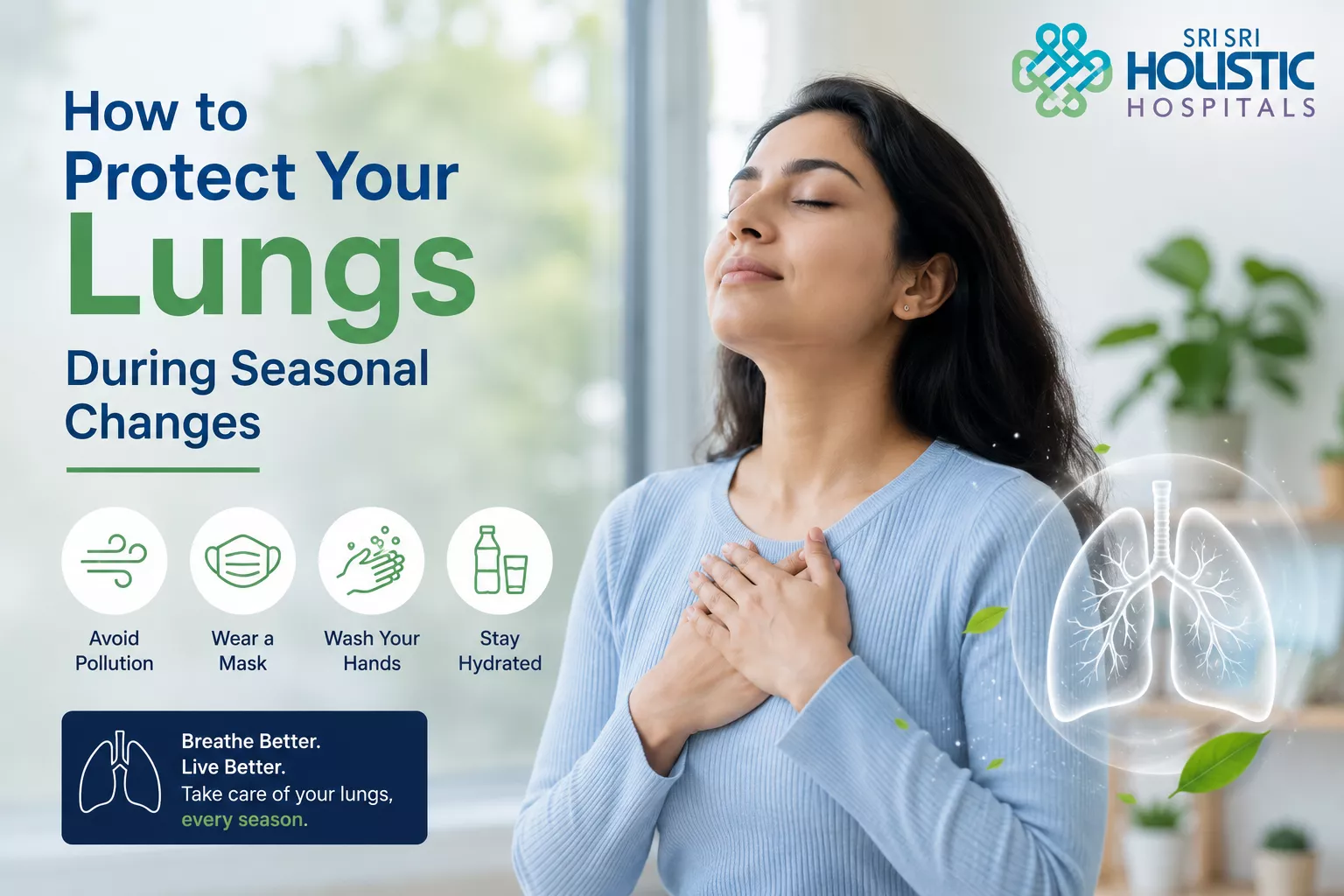
Seasonal transitions bring changes in temperature, humidity, pollen, and air quality that can affect respiratory health. While many people enjoy the changing seasons, they can also increase the risk of allergies, asthma flare-ups, and respiratory infections. Understanding How Weather Affects Lungs and adopting preventive measures can help you breathe comfortably throughout the year.
Understanding Seasonal Effects on Lung Health
Changes in climate influence the respiratory system in several ways. Cold air may narrow the airways, making breathing more difficult, while warm and humid conditions encourage the growth of mold and airborne microorganisms. During spring and autumn, pollen, dust, and other allergens become more prevalent, triggering coughing, sneezing, wheezing, and breathlessness in susceptible individuals.
This makes Protecting Lungs During Seasonal Changes an essential part of maintaining overall health, especially for children, older adults, and individuals with chronic respiratory conditions.
Tips to Keep Your Lungs Healthy
Following practical Tips For Better Lung Health can significantly improve respiratory function and reduce seasonal discomfort.
- Stay hydrated to keep airways moist.
- Exercise regularly to strengthen lung capacity.
- Practice deep breathing exercises.
- Avoid smoking and secondhand smoke.
- Maintain good indoor ventilation and cleanliness.
- Wear a mask when pollution or pollen levels are high.
These simple habits support healthy breathing and help your lungs function efficiently throughout the year.
Strengthen Your Immune System
A strong immune system plays a vital role in Improving Immunity For Lung Health. Eating a balanced diet rich in fruits, vegetables, lean proteins, nuts, and whole grains provides essential vitamins and antioxidants that support respiratory wellness. Adequate sleep, stress management, and regular physical activity further enhance your body’s natural defenses against infections.
Prevent Seasonal Respiratory Illnesses
Preventing Seasonal Respiratory Infections begins with maintaining good hygiene. Wash your hands regularly, avoid close contact with sick individuals, and stay updated with recommended vaccinations. If you experience persistent fever, cough, chest discomfort, or difficulty breathing, seek medical attention promptly to prevent complications.
Managing Allergies and Pollution
Effective Managing Allergies And Breathing Problems involves identifying common triggers such as pollen, dust mites, mold, and pet dander. Keep windows closed during high pollen days, clean air filters regularly, and shower after outdoor activities to remove allergens.
Equally important is Reducing Exposure To Air Pollution. Monitor daily air quality reports, avoid outdoor exercise during heavy traffic or smog, and consider using air purifiers indoors. These measures help minimize irritation to the lungs and reduce long-term respiratory risks.
Build Healthy Daily Habits
Developing Healthy Habits For Strong Lungs creates lasting respiratory resilience. Stay active, eat nutritious meals, maintain a healthy weight, drink sufficient water, and schedule regular health check-ups. These consistent lifestyle choices support better lung function and improve overall quality of life.
For expert respiratory care, preventive screenings, and personalized treatment, Sri Sri Holistic Hospitals provides comprehensive pulmonary services with experienced specialists dedicated to helping patients maintain healthy lungs in every season.
Frequently Asked Questions (FAQs)
1. How Can I Protect My Lungs During Seasonal Weather Changes?
Stay hydrated, wear a mask in polluted or dusty environments, exercise regularly, avoid smoking, maintain indoor cleanliness, and follow a healthy diet.
2. Why Do Seasonal Changes Affect Lung Health and Breathing?
Seasonal variations change temperature, humidity, pollen levels, and air quality, irritating the airways and increasing respiratory risks.
3. What Are the Best Foods to Improve Lung Health During Seasonal Changes?
Fresh fruits, leafy greens, citrus fruits, berries, nuts, seeds, whole grains, and fatty fish support lung health.
4. How Can People with Asthma Protect Their Lungs During Seasonal Transitions?
Avoid triggers, monitor air quality, carry prescribed inhalers, and follow your treatment plan.
5. What Are the Common Signs of Seasonal Respiratory Problems?
Persistent cough, wheezing, breathlessness, chest tightness, sneezing, congestion, sore throat, and fatigue.
6. How Does Air Pollution Impact Lung Health During Seasonal Changes?
Air pollution irritates the airways, worsens allergies and asthma, and increases the risk of respiratory infections.
1. Know More: https://srisriholistichospitals.com/doctors/dr-abhilash-reddy-venna/
2. pulmonary services: https://srisriholistichospitals.com/departments/best-pulmonology-hospital-in-hyderabad/


Leave feedback about this